Dynamic Weekday Timetables Introduced as COVID-19 Restrictions Relaxed

Transport for NSW has confirmed that public transport across the Greater Sydney area will mostly operate to a dynamic weekday timetable from Monday 2 August 2021. This is a significant increase to the Sunday timetables that have been in force since 19 July, and reflect the expected additional travel demand as some restrictions regarding Construction work are lifted from today.
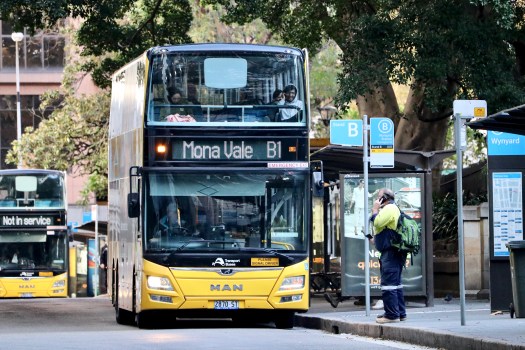
Public Transport will run to ‘Dynamic Weekday Timetables’ from Monday 2 August 2021 – Transport NSW Blog Collection

These ‘dynamic’ timetables will not be regular weekday timetables. Instead, they will provide the general span of service that is usually seen on a weekday with changes to frequency based on the changed demand during the ongoing COVID-19 lockdown in Greater Sydney. This will mean extra services in the early morning and early afternoon, with reduced levels of service at the height of peak, particularly on AM/PM City Express services.

Changes by mode are listed below;

Buses

Most services will operate to a weekday school holiday timetable. There will be reduced frequencies on AM/PM City Express services. Dedicated school services will operate where required.

Ferries

Services will operate hourly on all lines.

Light Rail

L1 Dulwich Hill Line services will operate to a normal weekday timetable. L2 Randwick Line services will operate to a Sunday timetable with additional services in the early morning and early afternoon. L3 Kingsford Line services will operate to a Sunday timetable.

Metro

Services will run every 10 minutes during peak periods and every 20 minutes at other times. 

Trains

Sydney Trains services will mostly operate to a weekday timetable. There will be reduced services in the AM and PM peak. Extra services will operate in the early morning.

NSW Trainlink Intercity services will mostly operate to a weekday timetable. There will be reduced services in the AM and PM peak.

NSW TrainLink Regional services operate to a weekday timetable for Regional, Hunter, Bathurst, Southern Highland lines. Services to Grafton have been cancelled.

Despite the increase in service, Transport for NSW is still urging all residents to stay home whilst the lockdown under COVID-19 Public Health Order continues.
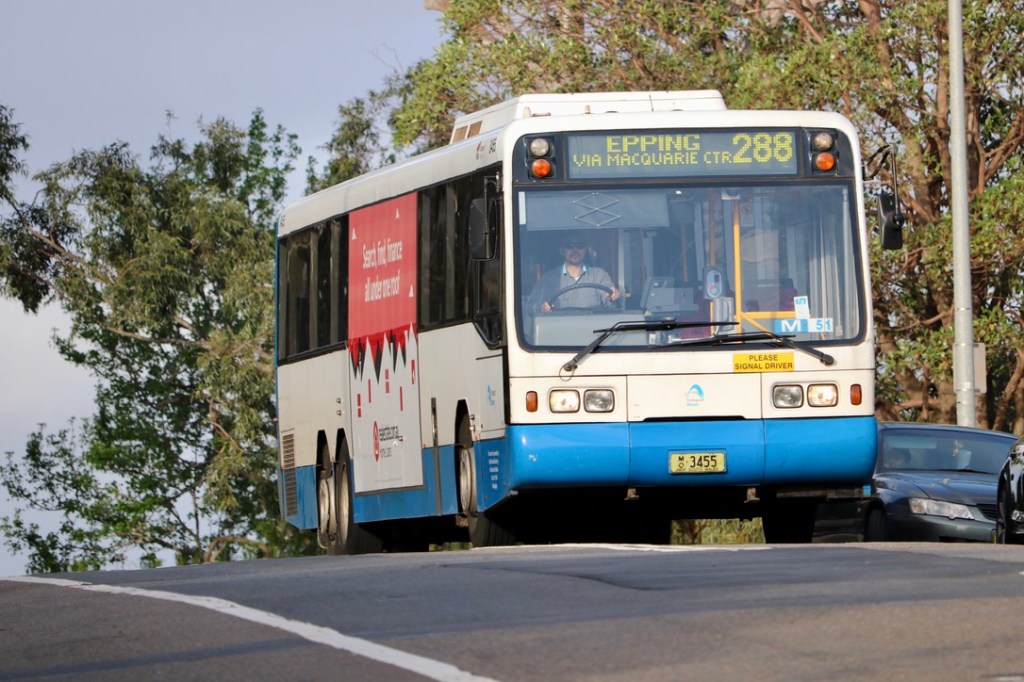
Busways wins Region 7 Contract

Busways have announced that they have been successful in tendering for the Region 7 contract currently held by State Transit. This contract includes services across the North Shore and Northern Suburbs districts operated out of Ryde and Willoughby depots

Bus services in the North Shore and Northern Suburbs will be taken over by Busways from 9 January 2022 – Transport NSW Blog Collection

Busways will take over the Region 7 contract from 12:01am on 9 January 2022. The eight year contract includes 900 employees, 453 buses and two depots. This will see Busways more than double their Sydney operations, taking over the 67 routes and 204 school services in Region 7 which comprise 16.7 million service kilometers and 34 million passenger trips annually.

Busways Managing Director Byron Rowe highlighted the added efficiencies and technological advancements Busways would bring to the contract, including the introduction of electric buses. “By appointing Busways, the NSW government has backed an Australian-owned company to deliver world-class services for customers of the integrated transport network,” Mr Rowe said.

Commitments from Busways to improve the network in the Region 7 contract area include;

  • Thirty-five zero emissions buses (ZEBs).
  • Substantial depot capital works program to increase depot capacity and electrify the fleet
  • CCTV upgrades fleet-wide for improved safety and security
  • New 4G two-way radios fleet-wide for better service reliability and customer information
  • Cleaning and repair program to lift fleet presentation standards and passenger comfort
  • Solar powered smart technology at selected bus stops with real-time service information
  • Proactive and preventative maintenance regime backed by our ISO 55001 accredited Asset Management System

Services Cuts as COVID Lockdown Takes Hold

Transport for NSW has confirmed that services across the Greater Sydney area will be cut from Monday 19 July 2021, as restrictions under the COVID-19 Public Health Orders continue to be tightened. This means that all services will move to a permanent reduced Sunday timetable until further notice.

Services will be cut to Sunday timetables until further notice across Greater Sydney – Transport NSW Blog Collection

The move to reduced timetables will see a significant reduction in service across the entire network. Changes by travel mode include;

Buses

Services will operate to a Sunday or reduced timetable with additional services along some corridors. School services will still operate in some areas.

Sydney Metro

Services will run every 10 minutes during peak periods and every 20 minutes at other times. 

Sydney Trains

All lines will operate to a Sunday timetable. 

NSW TrainLink Intercity

BMT, CCN and SCL will operate to a Sunday timetable, HUN and SHL lines will operate as normal. 

Sydney Ferries

Services will operate hourly on all lines, except the Pyrmont line which will operate every 30 minutes.

Sydney Light Rail 

Services will run every 20 minutes 

This comes as COVID-19 restrictions continue to be tightened across Greater Sydney in response to the growing outbreak of the Delta strain in Sydney, with 1242 local cases since the start of the current cluster as of 18 July. Restrictions on movement are forcing work and study from home whilst many cannot leave their Local Government Areas except for essential work. Masks continue to be mandatory on public transport.

Transport for NSW COO Howard Collins urged commuters to stay home and not travel on public transport services across the coming weeks. Collins also noted that it is really important that we ensure the remaining services are only used by essential workers as per the current public health orders.

Update 22/07/21 – As a result of overcrowding concerns, additional services have been added to the network on top of the regular Sunday service levels. This includes extra bus services along key corridors and a doubling of peak Sydney Metro frequency from every 20 minutes to every 10 minutes.

Bus routes with extra services include;

  • B1 – Mona Vale to City Wynyard
  • 265 – Lane Cove to North Sydney
  • 309 – Banksmeadow to Railway Square
  • 309X – Port Botany to Railway Square
  • 324 – Watsons Bay to Edgecliff
  • 352 – Marrickville to Bondi Junction
  • 400 – Eastgardens to Randwick
  • 440 – Leichhardt to Railway Square
  • 600 – Pennant Hills to Parramatta
  • 607X – Bella Vista to City QVB
  • 610X – Castle Hill to City QVB
  • 611 – Blacktown to Macquarie Park
  • 664 – Parramatta to Norwest
  • 665 – Parramatta to Rouse Hill
  • 723 – Mt Druitt to Eastern Creek
  • 723 – Blacktown to Eastern Creek
  • 724 – Blacktown to Huntingwood
  • 779 – St Marys to Erskine Park

Update 25/07/21 – Based on updated advice from Transport for NSW there have been changes to bus services in some areas. Forest Coachlines, Transdev North Shore, and Busabout will all move to a weekday school holiday timetable with no school services from today. Punchbowl and Transdev South will move to a Saturday timetable with no school services from today. State Transit, Transit Systems, Hillsbus, Busways and Interline are all remaining on Sunday timetables including the previously reported supplementary services.

Update 31/07/21 – Move to ‘Dynamic Weekday Timetables,’ see here

Eastern Suburbs Bus Changes – Consultation Period Extended and What Needs to Be Fixed

In May 2021, the NSW State Government announced that the bus network in Sydney’s Eastern Suburbs would be modified from later this year. You can find more details of those changes here. As part of this proposal, Transport for NSW has been conducting community consultation to gauge community sentiment towards these changes. The deadline to complete the community consultation survey has been extended to June 30. We urge you to review the proposed network and have your say before June 30. 

The NSW State Government announced that the bus network in Sydney’s Eastern Suburbs would be modified from later this year – Transport NSW Blog Collection

Over 7000 responses have been made to the survey, which Transport for NSW will use to refine the proposed changes before they are implemented later this year. In particular, Transport for NSW has noted that access to St Vincent’s Hospital and Taylor Square from the Eastern Suburbs is a major concern that has been raised in feedback and that they are investigating solutions to improve access to the precinct. A spokesperson stated ““They have let us know off-peak services to Taylor Square are very important.” It was also noted that a large proportion of the feedback related to misunderstandings of the changes. For example, commuters concerned about the removal of popular cross regional routes 353 and 400, despite the fact they are being replaced by the very similar routes 350 and 390X respectively.

Transport NSW Blog believes that there are three main areas that need to be improved from the original plan before the changes are implemented later this year – access to Taylor Square, bus-light rail interchange at Randwick Junction and better delivery of information.

Improved access to Taylor Square should be a key priority when reviewing the proposed network. There need to be two ‘All Day Frequent Routes’ from the South East to Taylor Square and St Vincent’s Hospital, in addition to the ‘All Day Frequent Route’ 333 from Bondi. A frequent route along both the Maroubra/Kingsford corridor and the Coogee/Randwick corridor to Circular Quay via Taylor Square is the best solution that would help to improve access to this precinct. Redirecting Route 374 from Coogee to the City via Taylor Square and improving both Route 374 and Route 396 from Maroubra to the City via Taylor Square to ‘All Day Frequent Routes’ is the best option to ensure proper connectivity. Retaining Route 372 services along Cleveland Street would allow for Route 374 to be redirected via Taylor Square.

The interchange between buses and light rail services at Randwick needs to be improved to ensure the success of the proposed network. Currently, for those changing between buses and light rail travelling inbound, the bus stop is located some 300m away, which does not allow for easy transfers. There needs to be a new inbound stop implemented either on Avoca Street or Belmore Road at High Cross Park in order to ensure easy transfers between services at Randwick. In addition, the level of services between Coogee Beach and the light rail terminus in Randwick under the proposed network is significantly lower than the level of service today, which will further reduce the ease of transfer. Currently, there are 16 buses an hour off peak between Coogee and Randwick, which will be reduced to 8 under the proposed network. Ensuring frequent links to the light rail is important, and improvements such retaining Route 372 between Coogee and Railway Square via Randwick would be useful in achieving this aim.

There needs to be a better delivery of information in relation to the changes when the final network is implemented, to ensure that misinformation does not circulate and commuters in the Eastern Suburbs understand how to use the new bus network. The way that the information regarding the proposed changes has been circulated has allowed for a misinformation campaign and has meant that many people do not fully understand what changes are actually occurring. Using online mapping technology to compare the level of accessibility from any address within 30 minutes has been used overseas to much success, and information campaigns with proper printed booklets and a well set out website with all the information about the changes can help to ensure that people understand the new network.

This is the first set of major changes that Transport for NSW has actually engaged in meaningful community consultation, and it is hoped that the feedback received will actually lead to an improved version of the new network. Please complete the community consultation survey before June 30, and make sure you educate yourself on the full set of proposed changes here.

Keolis Downer wins Region 8 Contract

Transport for NSW has announced that Keolis Downer have been successful in tendering for the Region 8 contract, which includes bus services on the Lower North Shore and Northern Beaches operated out of Brookvale, Mona Vale and North Sydney depots.

Bus Services on the Lower North Shore and Northern Beaches will be taken over by Keolis Downer from 31 October 2021

Keolis Downer will take over the $900 million contract from 31 October 2021, delivering over 1.2 million services each year. A key point in the contract will see the introduction of 125 electric buses over the next eight years, as older Volvo B10BLE and Volvo B12BLE vehicles are retired from the fleet.

The contract will see new headway technology will be implemented on buses used for the B-Line in order to improve reliability of services. Also as part of the contract on demand services between Mona Vale and Palm Beach will become permanent.

All existing State Transit drivers and maintenance staff will be offered a two year job guarantee with Keolis Downer.

Proposed New Eastern Suburbs Bus Network

Transport for NSW has proposed a new bus network for the Eastern Suburbs. This new network has been designed to integrate with the CBD and South East Light Rail and provide more services across the Eastern Suburbs. Transport for NSW are currently seeking feedback on the proposed network, which you can provide at this link

Transport for NSW have proposed a new bus network for the Eastern Suburbs – Transport NSW Blog Collection

Summary of Key Changes

  • Retained eight direct express services to/from the CBD in the AM and PM peaks, with increased frequencies
  • Nine new “All Day Frequent Network” routes, operating every 10 minutes or better 7am to 7pm, 7 days a week
  • New and improved East-West and North-South cross regional connections based on customer travel patterns
  • Better connections to key hubs Bondi Junction, UNSW, Newtown, the University of Sydney, Eastgardens, Green Square and Redfern.
  • Better integration with the new CBD and South East Light Rail
  • Reduction of duplicating bus services, including the removal of bus services to the CBD duplicating the Light Rail and to Bondi Junction duplicating the new All Day Frequent Routes

Summary of Route Changes

  • 11 New Routes
    • 306, 310, 350, 350N, 356, 358, 373N, 375, 390X, 392N, 469
  • 23 Modified Routes
    • 303, 304, 307, 309, 313, 320, 339, 339X, 343, 347, 355, 362, 370, 373X, 374, 374X, 377X, 392, 397, 399, 418, 420, 420N
  • 25 Withdrawn Routes
    • 300, 301, 302, 309X, 310X, 314, 316, 317, 338, 353, 357, 372, 373, 376, 377, 391, 393, 394, 395, 400, 400N, L94, X40, X93, X99 
  • 24 Routes with no changes
    • 200, 311, 323, 324, 325, 326, 327, 328, 333, 342, 352, 360, 379, 380, 381, 386, 387, 388, 392X, 394X, 396, 396X, 397X, L24 

The “All Day Frequent Network” will operate every 10 minutes or better 7am to 7pm, 7 days a week. It is designed to provide high frequency connections along key corridors to major hubs. Routes include;

  • 304 – Green Square to Circular Quay via Surry Hills
  • 309 – Matraville to Redfern via Botany Road
  • 333 – North Bondi to Circular Quay via Bondi Junction
  • 343 – Kingsford to Circular Quay via Rosebery
  • 350 – Bondi Junction to Sydney Airport via Eastgardens
  • 370 – Coogee to University of Sydney via Green Square
  • 379 – Bronte to North Bondi via Bondi Junction
  • 390X – Bondi Junction to La Perouse via Maroubra Junction
  • 392 – Matraville to Redfern via Eastgardens

A full list of changes is provided below

Continue reading “Proposed New Eastern Suburbs Bus Network”

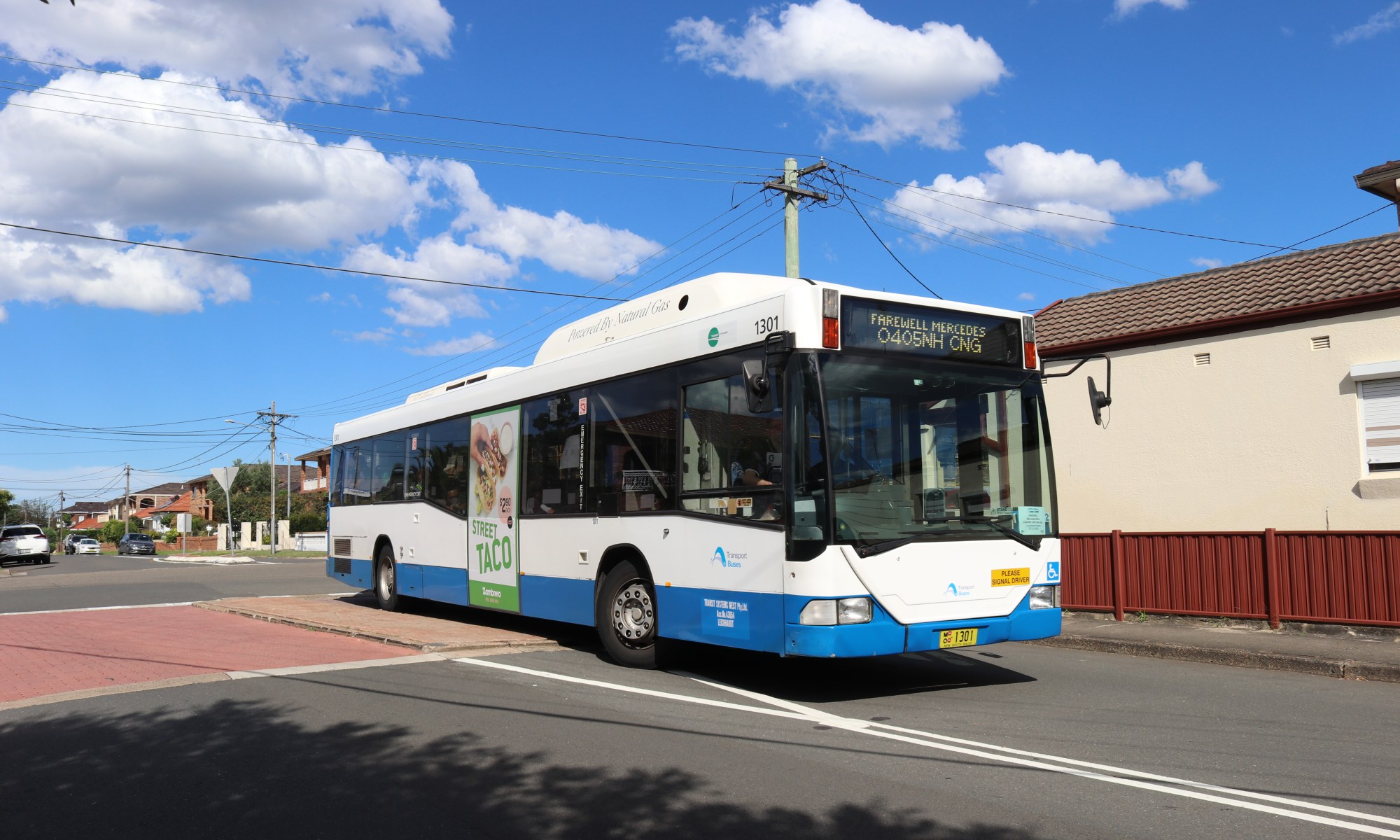
Farewell to the Mercedes Benz 0405NH ‘Citaro’

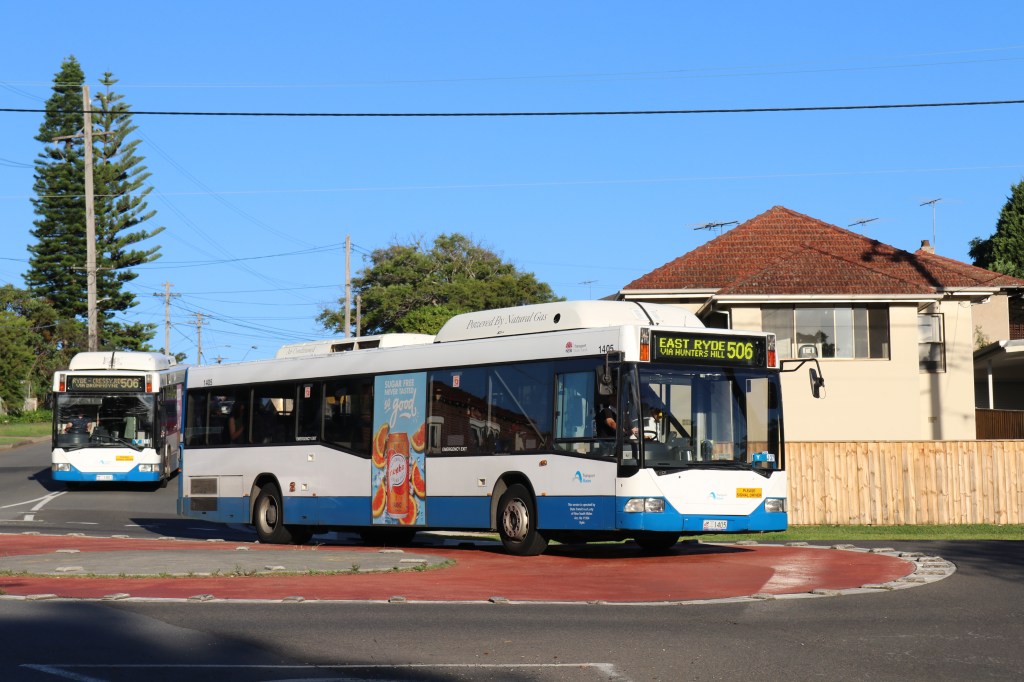
After 22 years in service across Sydney, the final Mercedes Benz 0405NH Citaro will be retired by the end of this month. 300 of the type were built specially for Sydney and operated out of Leichhardt, Port Botany, Ryde and Waverley depots.

Mercedes Benz 0405NH Citaro 1405 is followed by 1401, both showing 506 as they travel through Ryde – Transport NSW Blog Collection
Continue reading “Farewell to the Mercedes Benz 0405NH ‘Citaro’”

Photos – Farewell to Waverley Gas Buses

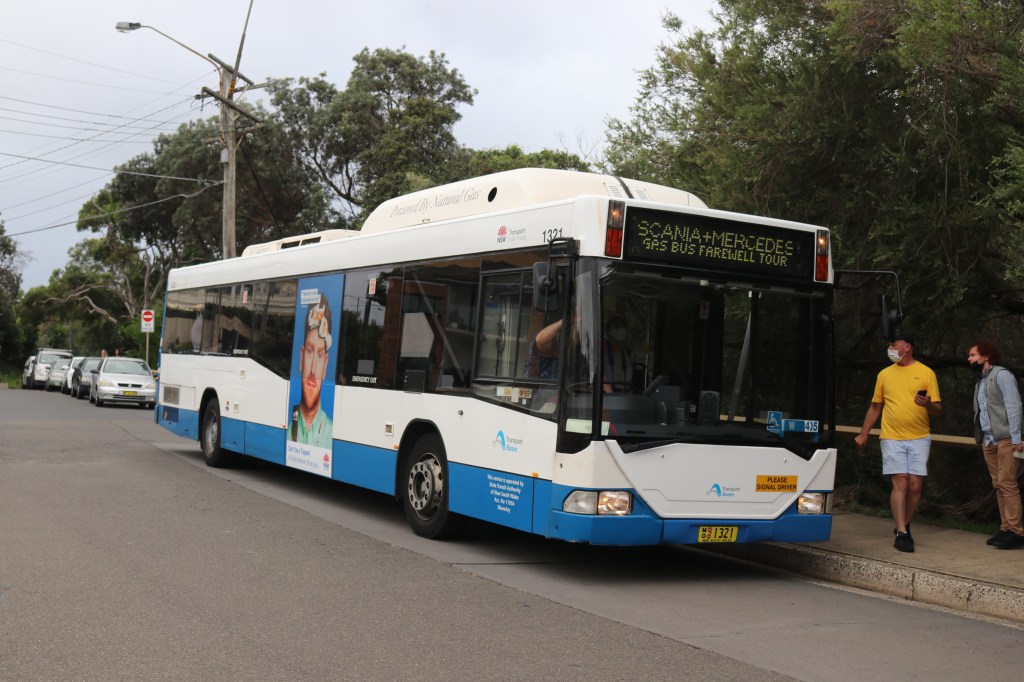
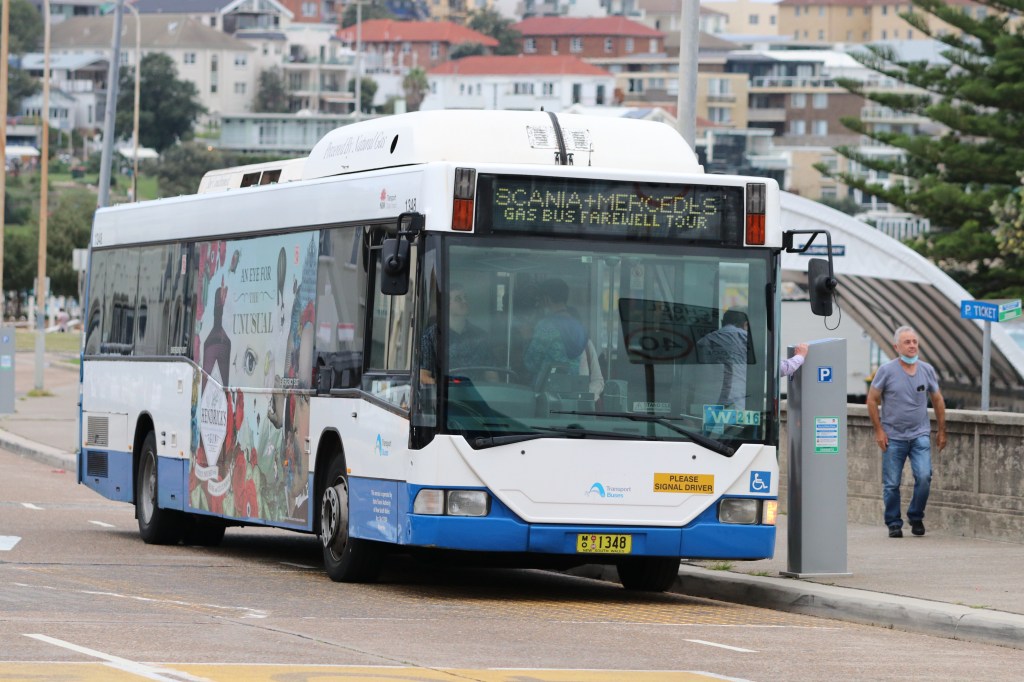
Waverley depot has a history of over 20 years of operation of buses powered by compressed natural gas, with Scania L113CRB Orana Mercedes Benz 0405NH Citaro and Mercedes Benz OC500LE CB60 EvoII models all operating from the depot. At its peak, over 100 gas buses operated from the depot

However, due to the aging nature of many gas buses necessitating their replacement and also a desire to introduce electric buses at Waverley Depot, the gas powered fleet at Waverley have been decommissioned from service.

On February 27 2021, a tour was held to farewell the gas bus fleet at Waverley Depot, after their final day in service earlier that week. Here are some photos from the day.

Gas Scania 3509 and Merc Citaro 1329seen at La Perouse – Transport NSW Blog Collection
Gas Scania 3509 leads Merc Citaro 1329 up the hill from Malabar Beach – Transport NSW Blog Collection
Gas Scania 3509 sits at Malabar Beach – Transport NSW Blog Collection
The Merc Citaro graveyard at Port Botany depot, with rows of withdrawn Citaros awaiting their turn to be scrapped – Transport NSW Blog Collection
Merc Citaro 1321 at Clovelly Beach – Transport NSW Blog
Merc Citaros 1321 and 1348 turn around at Clovelly – Transport NSW Blog Collection
Merc Citaro 1348 seen at Bondi Beach – Transport NSW Blog Collection
Merc Citaros 1321 and 1348 seen at Bondi Beach – Transport NSW Blog Collection

Farewell UNSW Express Routes

Today, Monday December 21 2020, was the final day of operation for the UNSW express buses which have spent decades shuttling students from Central Station to UNSW and return. The final trip was a Route 898 service from UNSW High Street to Central, departing at 6:59pm and arriving into Central at 7:16pm to end an era.

The final UNSW express service was a Route 898 service operated by 4997 from UNSW High Street to Central, departing at 6:59pm – Transport NSW Blog Collection

UNSW express bus services began as early as March 1962, with express short workings of Route 393 and 395 operating between UNSW and Central. From March 2 1964, these services were designated as their own seperate routes, gaining the route numbers 693 and 695. By 1967, the routes had been reorganised so that Route 691 serviced the High Street side of UNSW and Route 695 serviced the Anzac Parade side of UNSW, before being renumbered as the 891 and 895 at some point in the 1990s.

Over the years, a number of different other route variants also serviced UNSW. Route 690 (later 890) operated from Circular Quay to UNSW Anzac Parade via Taylor Square all stops, whilst Route 694 (later 894) operated express from UNSW Anzac Parade to Circular Quay in the PM Peak. Route 659 operated limited stops between UNSW and Bondi Junction, whilst Route 892 operated limited stops between UNSW High Street and Circular Quay.

As a result of construction for the CBD and South East Light Rail project, from 25 October 2015, the UNSW routes were reorganised. AM Peak trips from Central to UNSW High Street retained their 891 route number. PM Peak trips were consolidated to only operate from High Street on Route 893 (lower campus) and Route 898 (upper campus). This was the final set up that operated until the last day of service.

It was the light rail that ultimately became the demise for UNSW express buses. From Tuesday 22 December 2020, UNSW students and staff will have to catch the light rail from Central to UNSW, with stops provided on both High Street (on the L2 Randwick Line) and ANZAC Parade (on the L3 Kingsford Line).

2318 rests in Randwick after an 891 service from Central to UNSW – Transport NSW Blog Collection
3708 operates an 893 service from UNSW to Central along Anzac Parade – Transport NSW Blog Collection
3754 departs UNSW on a 898 service to Central – Transport NSW Blog Collection

Face Masks on Public Transport?

Recently, the NSW Government has grappled with the question of whether or not to make face masks or coverings compulsory on public transport. At this stage they have made the decision not to require masks or coverings, just to strongly recommend it. Despite this, there are loud calls to make them mandatory in order to reduce the risk of COVID-19 transmission on public transport.

shouldiweara.jpg
Should face masks be compulsory on Public Transport? – Shuttershock

IMG_3899.jpeg
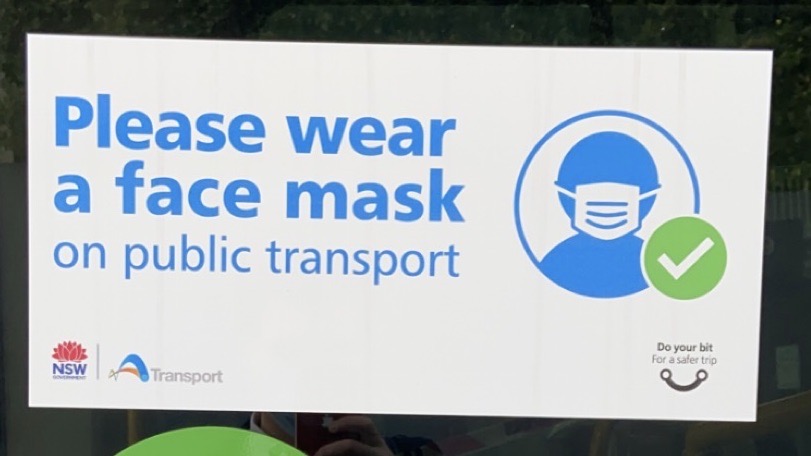
Signage on the exterior and interior of the bus now encourages wearing a face mask – Transport NSW Blog Collection

Transport for NSW has implemented a large suite of measures in an attempt to reduce the risk of COVID-19 spreading on public transport. (You can read about those here and here.) Despite implementing these measures, one measure that has been commonly enforced both overseas and in other Australian state is the mandatory wearing of face mask on all services. Initially medical advice did not suggest that wearing face masks was an effect measure to reduce the spread of COVID-19, but we now know that wearing a face mask significantly reduces the chance of COVID-19 transmission. In May, former Chief Medical Officer Brendan Murphy said wearing masks on public transport “is not an unreasonable thing to do”. Despite this we have continually seen advice from Transport for NSW that suggested masks were unnecessary.

The evidence is now clear in saying that by wearing a face mask, we can reduce the risk of transmission of COVID-19. NSW Health and the World Health Organisation (WHO) have both updated their advice and now recommend healthy people wear a mask in public where there is widespread transmission and/or in places where physical distancing is difficult. This includes on public transport.

Based on this updated advice, Transport for NSW now states that  “Face masks are strongly recommended on public transport” based on the updated advice from NSW Health. They have rolled out a new advertising campaign with a focus on wearing a face mask on public transport, with posters and signage appearing at stations, wharves and on buses this week.

What is notable about this new advice is the key emphasis across all messaging is that this is a ‘recommendation’ rather than a requirement. Anecdotal evidence suggests that less than a third of all passengers on services are wearing a mask, with many passengers also failing to adhere to social distancing requirements. In addition, many customer facing staff are also not wearing masks, despite Transport ‘supposedly’ providing staff with sufficient face masks to wear during their shifts. This makes a mockery of the new recommendations and demonstrates the lack of commitments to mask wearing at Transport for NSW.

It is clear that by not mandating face masks on public transport, the risk of COVID-19 transmission on Transport for NSW services is elevated. Only time will tell if the current stance is the correct one. What do you think? Should face masks be mandatory on public transport?

Transport NSW Blog endorses the use of face masks on public transport based on the prevailing medical advice from NSW Health and the WHO. We would like to advise that this article is not a substitute for medical advice and the author of this article has no medical training.