State Transit – The Last Trips

At 00:01 on April 3 2022, the final contract held by the State Transit Authority of New South Wales was handed over to Transdev John Holland Buses, ending 89 years of Government run bus services in New South Wales.

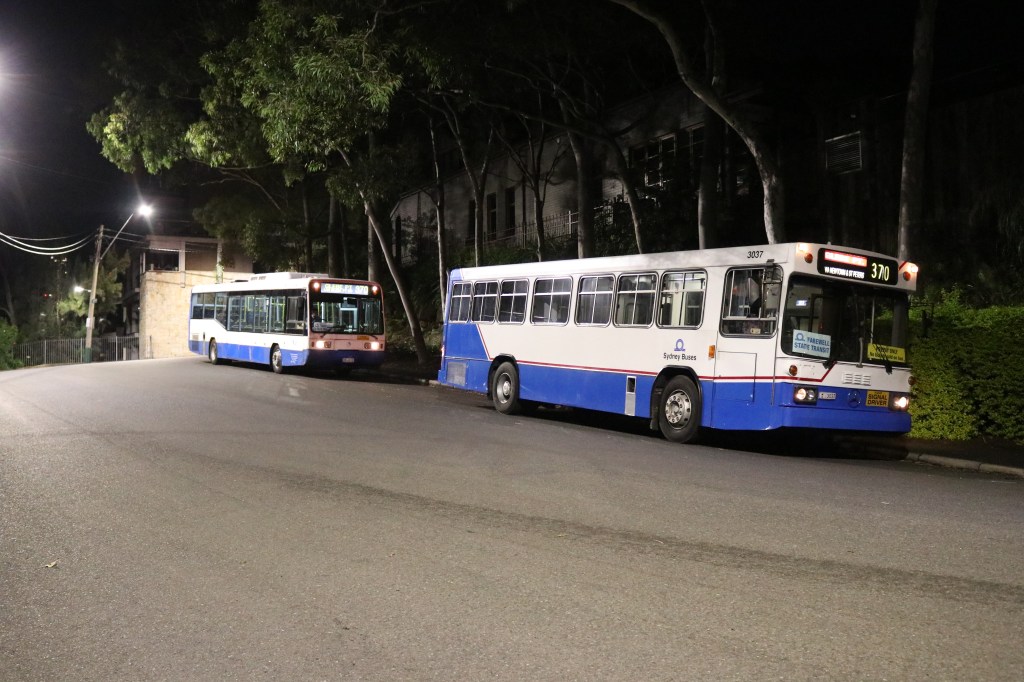
The last trip operated by State Transit ahead of the handover was the 00:00 370 ex Coogee to Glebe Point, which was operated by Randwick Scania K310UB Custom Bus CB80 3026. The trip terminated at Glebe Point at 00:46, officially marking the end of State Transit operations in Sydney. Two preserved buses, ex 3037 (a Mercedes Benz 0405 PMC MkIV) and ex 3700 (a Scania L113CRL Ansair Orana) followed this last trip to mark the occasion. All three vehicles operated in a convoy together for the entire journey from Coogee to Glebe Point. The service bus was packed full of enthusiasts there to farewell State Transit with one last ride.

Randwick Scania K310UB Custom Bus CB80 3026 after completing the last official State Transit operated service, the 00:00 370 ex Coogee to Glebe Point on 03/04/22 – Transport NSW Blog Collection
3037 (a Mercedes Benz 0405 PMC MkIV) and ex 3700 (a Scania L113CRL Ansair Orana) at Glebe Point after the last State Transit service, the 00:00 370 ex Coogee to Glebe Point 03/04/22 – Transport NSW Blog Collection

Although the 370 was the official last trip, after it terminated there were still drivers on the road who started their shifts as State Transit drivers, wearing State Transit uniforms and using State Transit journals. The honours of the last driver on the road in State Transit uniform went to the driver of the 28:38 (03:38 due to the end of daylight savings 350) ex Mascot Station to Bondi Junction, where it arrived at 29:18 (04:18 due to the end of daylight savings). Waverley Volvo B8RLE Volgren Optimus 2955 operated this historic last trip with a State Transit driver. Another bus, Waverley 3076, operated alongside 2955 but with one of the first Transdev John Holland drivers to sign on after the handover in a Transdev John Holland uniform with Transdev John Holland journal. The two buses operated together for the entire length of the 350, with 2955 leading and 3076 following, symbolising the handover from State Transit to Transdev John Holland.
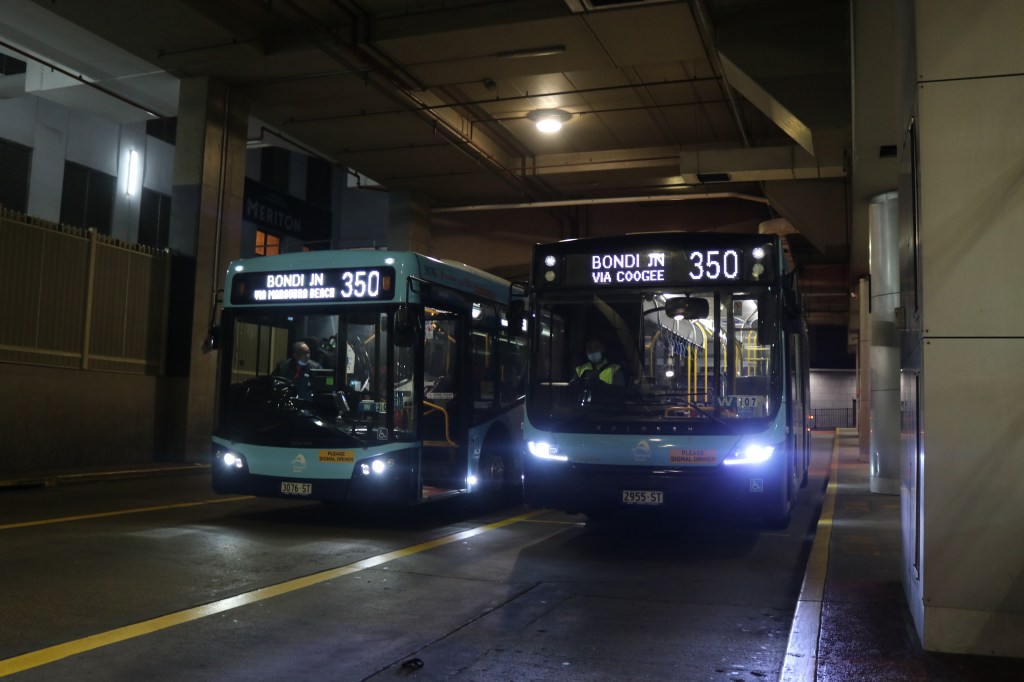
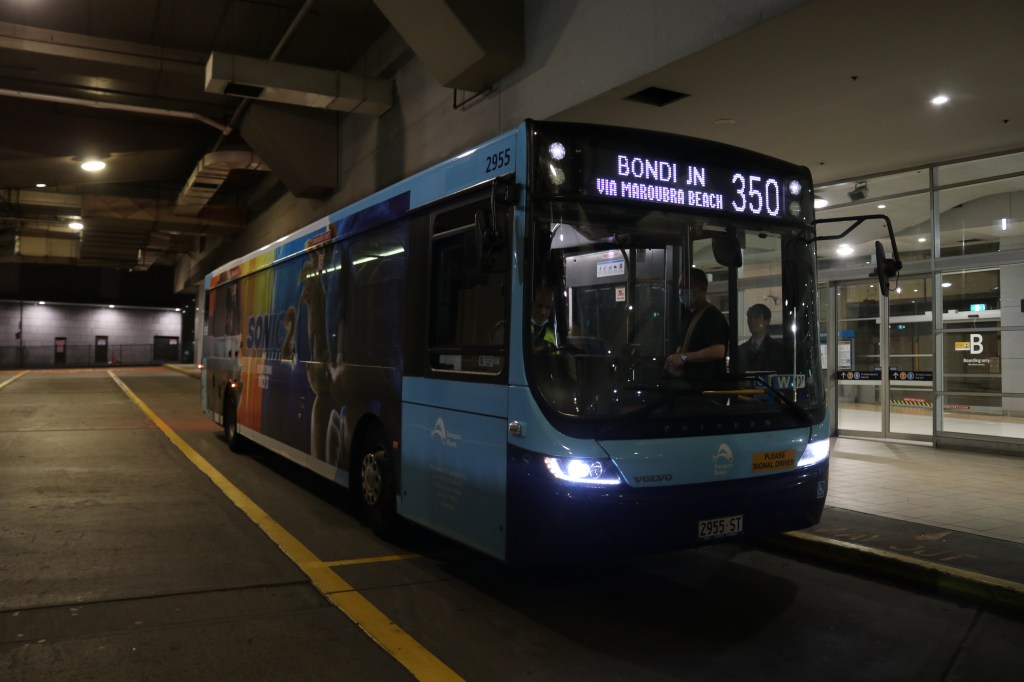
3076 with the first Transdev John Holland Driver and 2955 with the last State Transit driver at Bondi Junction after the last trip operated by a State Transit driver, the 03:38 350 ex Mascot to Bondi Junction 03/04/22 – Transport NSW Blog Collection
Waverley Volvo B8RLE Volgren Optimus 2955 after the historic last trip with a State Transit driver – Transport NSW Blog Collection

By sunrise on April 3 2022, State Transit operations were history. The three final State Transit depots, at Port Botany, Randwick and Waverley, had all had their operations fully handed over to Transdev John Holland. Both last trips marked the end of an era for government bus operations in Sydney.
1993 – 2026: The End of the Orana Era

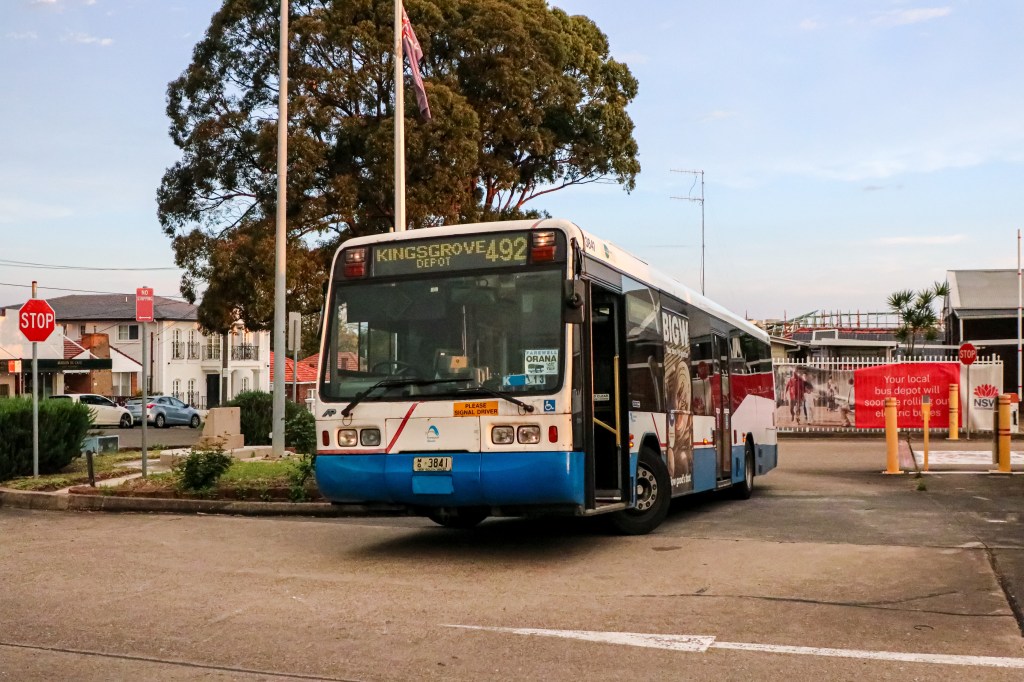
Earlier this evening, Scania L113CRL Orana 3841 was withdrawn. As the final remaining Orana bodied bus in route service in Sydney, 3841’s withdrawal draws 33 years of Orana operation in Sydney to a close. 3841’s final trip was the 17:17 492 from Rockdale Station arriving at Kinsgrove Depot at 17:37. More than two dozen local bus enthusiasts joined along for the final run to close out the Orana era.

Scania L113CRL Orana 3841 poses at Kingsgrove Depot following the final Orana operated service in Sydney – 25/09/26 – Transport NSW Blog Collection

463 Orana bodied buses were delivered to State Transit for use in Sydney and Newcastle. This included:

  • 2 Mercedes O405Ns
  • 30 MAN 11.220 HOCL/R-NMs (also known as the MAN Midis)
  • 50 Scania L113TRBLs (also known as the 14.5s or Long Buses)
  • 100 Scania L113CRB CNGs (also known as the Gas Scanias)
  • 125 Volvo B10BLEs
  • 156 Scania L113CRLs (also known as the Low Floor Scanias)

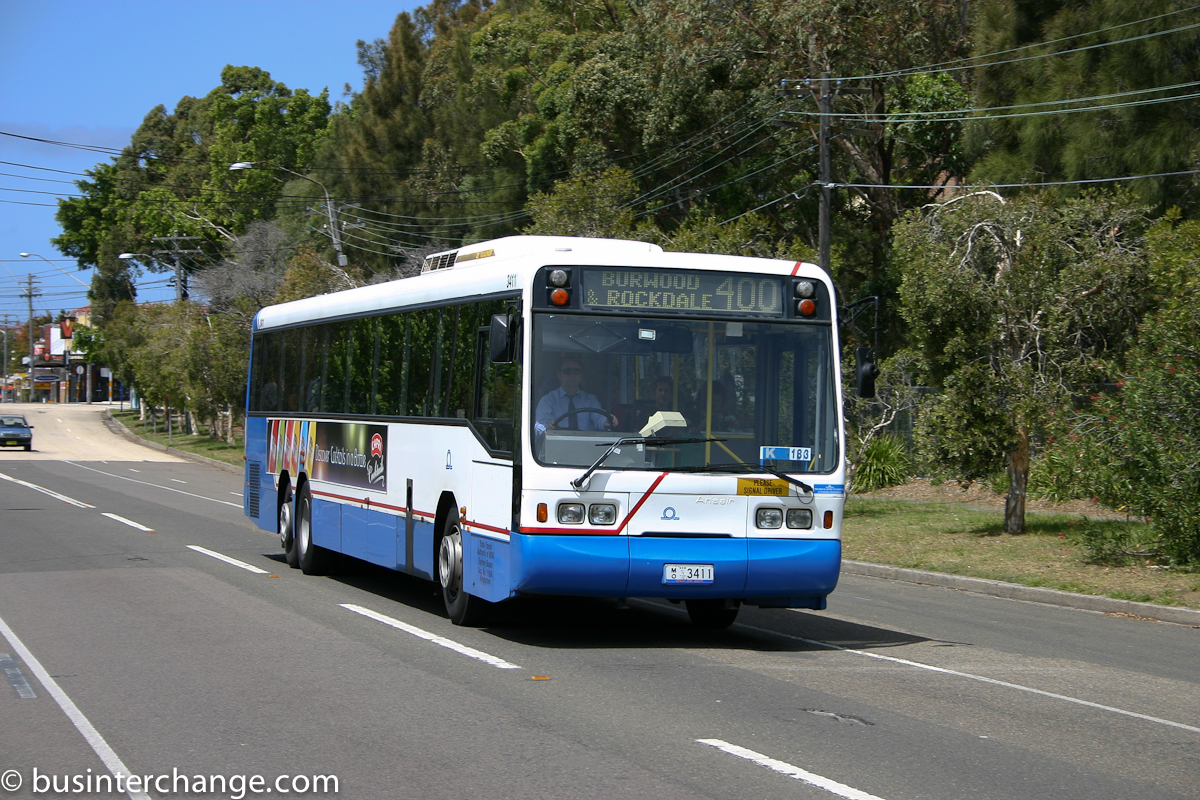
3411, a Scania L113TRBL, was the first Orana bodied bus to enter service on the 10th of March 1993. It was delivered new to State Transit Port Botany in a special handover ceremony on the 28th of January 1993 before driving training took place on this new model of bus ahead of its entry to service.

Class leader 3411, a Scania L113TRBL, seen on a 400 to Burwood – Norbert Genci via businterchange.com

Built originally by Ansair, various corporate happenstance saw examples built by Austral Pacific, the Clifford Corporation and then later Phoenix Bus. The final example was delivered in 2000 by Phoenix Bus. The first few Oranas for Sydney were built at the Ansair facility near Tullamarine Airport in Melbourne, however the majority were built at a dedicated facility in Tamworth.

The Orana brought many firsts to Sydney’s roads. Full air conditioning, low entry, wheelchair access and electronic destination displays to name a few features to debut on the Orana. They were ahead of their time and that has allowed them to stay current on our roads for so long. With the condition of some newer buses, it was often hard to tell that the Oranas were quite as old as they actually were

All of the Oranas in Sydney were all originally delivered to State Transit. They operated out of at every single State Transit depot at one point or another. Some Oranas, such as many of the Volvo B10BLEs at Brookvale and Burwood, operated out of a single depot for their entire career. On the other hand, it was very common for the various types of L113s to be moved around frequently.

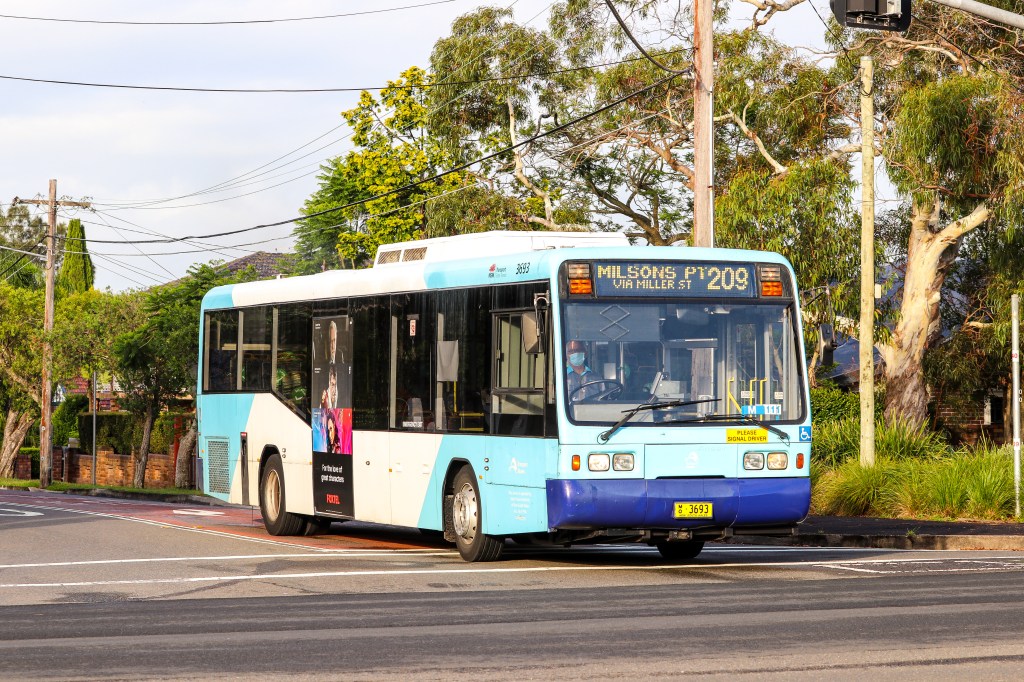
Scania L113CRL Orana 3693, pictured here on a 209 in Lindfield, was originally delivered to Waverley and spent time at Kingsgrove and Randwick before ending up at Willoughby – Transport NSW Blog Collection

In more recent years, the Oranas have passed into private hands as State Transit was gradually broken up and franchsied. This saw Busways, Keolis Downer, Transdev John Holland and Transit Systems take on parts of the Orana fleet. Busways even took Oranas into uncharted territory, with 25 year old Volvo B10BLEs operating far from home out of Glendenning and Penrith depots.

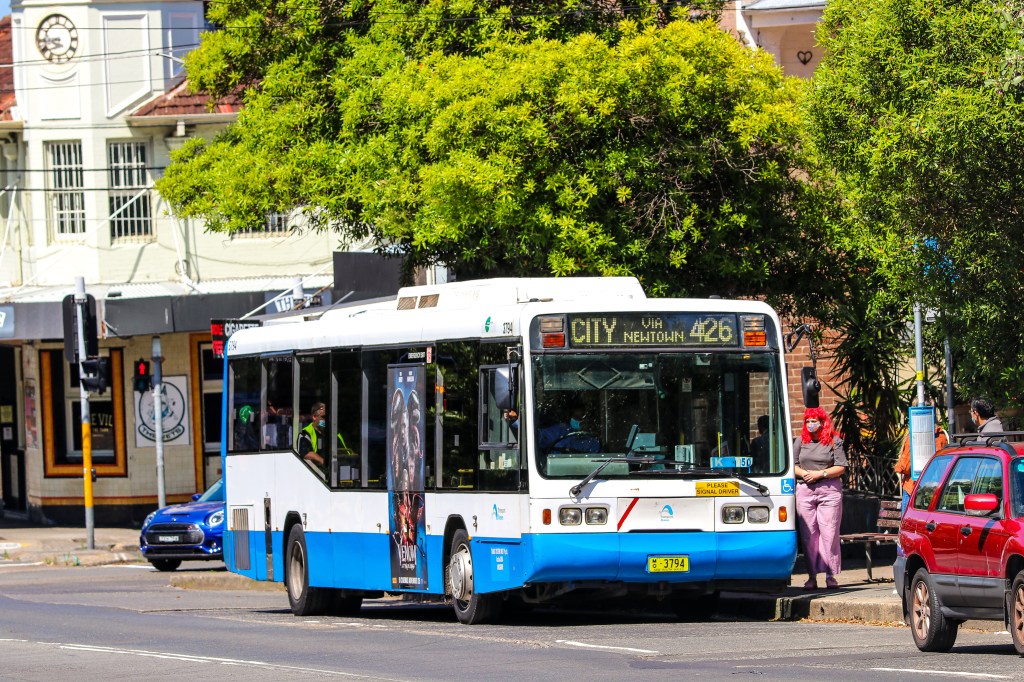
Thanks to the slow rollout of electric buses, Oranas spent longer on the road than any other model of bus in Sydney history. Over 33 years separated the first delivery from the last withdrawal. Some individual Oranas, including 3693 and 3794, made it to 28 years and 10 months on the road before being withdrawn (far longer than the standard 26). Someone with a little more time than me can work out which of 3693 and 3794 spent longer on the road (my money is on 3794).

Scania L113CRL 3794, perhaps the longest serving Orana, seen on 426 duties headed towards the City – Transport NSW Blog Collection

These buses were my favourite buses growing up and still are today. I have spent countless hours catching Oranas and chasing Oranas for photos. The best memories are days I spent with my Dad, forcing him to wait for a 14.5 Long Bus to show up on the 400 and heading to the Airport to watch planes. I caught low floor Scanias to school, swimming lessons, with friends, to concerts and football matches. I raced around excitedly with my friends getting photos when 30 odd Volvo B10s were transferred to Waverley unexpectedly towards the end of their lives. And more recently getting as many photos of the Oranas as I could before they were all gone.

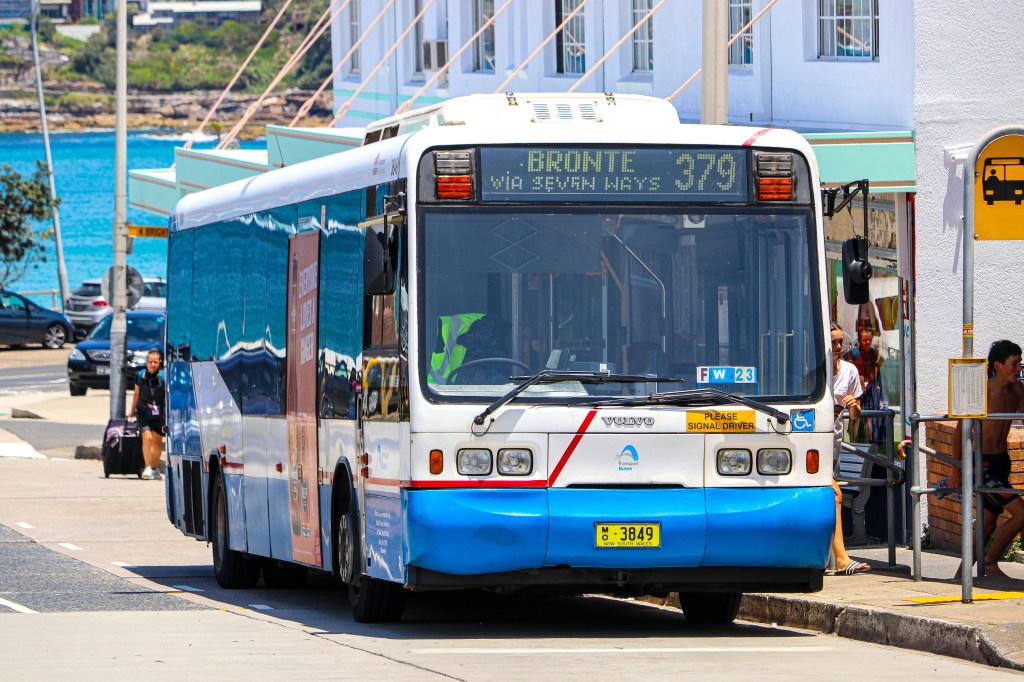
Volvo B10BLE Orana 3849 on its first day at Waverley, having been chased by myself and a friend all the way from Bronte to North Bondi – Transport NSW Blog Collection

I am very sad to see them go. RIP Oranas. 1993-2026.

Driver Shortage Worsens, More Services Cut

Transport for NSW has confirmed that more services have been cut from this week due to driver shortages, expanding the impact of the worsening driver shortage to more areas across Sydney.

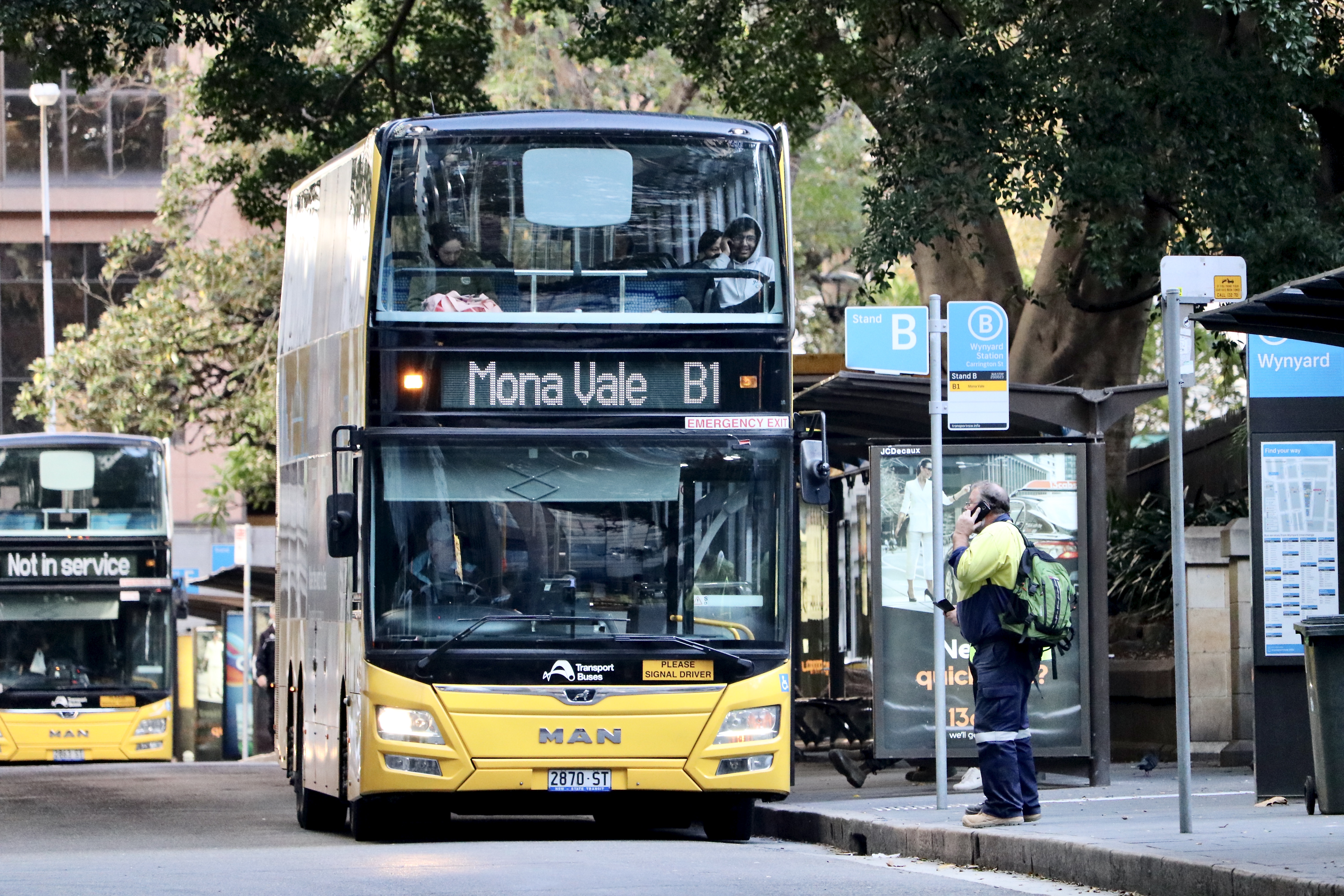
This controversially includes reductions to the frequency of the B-Line between Mona Vale and Wynyard, which currently suffers from significant overcrowding.

Services in the Northern Beaches, Lower North Shore, Sutherland Shire and South West have been reduced from this week – Transport NSW Blog Collection

“Temporary Timetables” have been introduced for Keolis Downer services on the Northern Beaches and Lower North Shore and U-Go services in the Sutherland Shire and South West. They join Busways in the North West, Transit Systems services in the Inner West and Transdev John Holland services in the Eastern Suburbs in operating a reduced timetable.

The intention behind the temporary timetables are to reduce the level of service to actually reflect the number of drivers available. By doing so, the hope is to reduce the level of ad-hoc cancellation of services across the network. The reduced services are focused at peak travel times when there are other travel options or higher frequencies in general. By doing so, operators can ensure that school services can run and that reasonable frequencies are retained at other times of day, such as late at night.

However, as with the changes made back in January, there are also some areas that will benefit from the changes. Commuters in and around North Avalon will now have access to 190X services to the City in peak, and 199 services late at night with both services extended from Avalon Beach. This will see route services once again using the former E88 terminus at North Avalon which has been without regular passenger service for a number of years.

Back in June, the NSW Government announced a plan to recruit additional bus drivers. At that time, it was estimated that Greater Sydney was short by over 500 bus drivers. Actions recommended by the Bus Industry Taskforce and being implemented by the NSW Government include;

  • waiving the $70 application fee for the next 12 months
  • allowing drivers over the age of 25 to apply if they hold a current unrestricted Australian driver licence and have held any kind of Australian driver licence, or a nationally recognised overseas driver licence, for at least three years
  • enabling electronic issue of documents
  • scrapping duplicated paperwork requirements and streamlining the application process.

At this stage, there is no clear resolution to this crisis. These “temporary timetables” have now been in place for nearly 6 months in some cases and this expansion of their use suggests that they will remain in place for the foreseeable future.

Cancellations and Extra Trips as Driver Shortage leads to Service Changes

Since 30 January 2023, there have been changes to service levels for bus services across Sydney due to driver shortages. Despite the media narrative, these driver shortages have not lead to simple cuts to services. Instead, a complex web of changes have occured, which has left some routes with higher levels of service and others facing major cuts.

Routes including the 350 have seen increases to service levels despite driver shortages – Transport NSW Blog Collection

According to Transport for NSW, it is dealing with “an unprecedented bus driver shortage” and timetables have been reduced “rather than cancelling services ad hoc”.

Last month, a spokesperson for Transport for NSW noted that “We will continue to work with operators and scheduling experts to ensure timetable adjustments are as efficient as possible and are working towards reinstating suspended services as soon as possible.”

In response, Rail, Tram and Bus Union NSW spokesman Peter Grech said the comments were “blatantly untrue”. “Since they privatised the buses they’re struggling to attract and retain enough drivers to do the job,” he said.

“As a result hundreds of trips are being cancelled on an ad hoc basis every day. The decision they’ve made to just cut thousands of trips permanently reflects the fact they simply can’t keep up with the quality service commuters deserve.”

These reduced timetables have primarily affected the operating areas covered by the former State Transit, Regions 6, 7 and 9. Services in these areas are now operated by Transit Systems, Busways and Transdev John Holland.

Whilst it is true that many services across these areas have been dropped from timetables, some routes have actually seen an increase in services since the ‘reduced’ timetables were introduced at the end of January.

In the Eastern Suburbs, Routes 313, 339, 350 and 374, connecting the areas around Clovelly and Coogee to Bondi Junction and Central stations, have all received increased levels of service.

In the AM Peak, Route 350 now operates every 5 minutes between Maroubra Junction and Bondi Junction, up from every 10 minutes previously. In the PM Peak, Route 313 now operates every 10 minutes in both directions, up from every 20 minutes previously. Route 339 now operates every 10 minutes in both directions, with inbound trips previously on a 20 minute frequency. Similarly, Route 374 now operates every 10 minutes in both directions, with inbound trips previously on a 20 minute frequency.

Over on the North Shore, Route 120 between North Willoughby and the CBD has received 20 extra trips each week. Meanwhile services on other major corridors, including Routes 115, 288, 292, 500X, 501, 533, 545 and 550 have all been slashed. Similarly in the Inner West, trips on major corridors such as Routes 438X and 440 on Parramatta Road have seen reductions.

Transport for NSW and the private services operators are both attempting to source more drivers to allow services to return to their normal levels. Busways has over 100 driver positions open across its Ryde and Willoughby Depots. Despite this, it is yet to be seen when there will be enough drivers to return to regular timetables.

The End of the Small Family Operator

Earlier this week it was announced that Transit Systems had been successful in gaining the contracts to operate Regions 2 and 15 in South-West Sydney. This follows on from the December announcements that Transit Systems would gain Region 13 alongside its Region 3 and 6 operations, and that new entrant U-Go would be the new operator in Regions 5 and 10 from later this year.

These announcements mark the end of the era of small family owned operators in Sydney. Interline in Region 2, Punchbowl Bus Company in Region 5 and Busabout in Region 15 have all been unsuccessful in retaining their contracts, which will see them exit the Sydney bus market.

Transit Systems have been successful against small family incumbents in winning contracts across Sydney – Transport NSW Blog Collection

Small family operators have been disappearing since the start of this century, both through buyouts from larger multinational companies and through loss of contracts under the current Sydney bus service contracting system, currently referred to as the Greater Sydney Bus Contracts (GSBCs). This new contracting model introduced as a result of the Unsworth review in the early 2000s, made it hard for smaller operators to compete with the larger players.

This leaves Busways as the last incumbent historical operator remaining in Sydney. However, with their successes in gaining former State Transit operating territory as well as major contracts interstate, they cannot be classed as a small family owned operator these days.

As a result of these new contracts, Transit Systems will become the largest bus operator in Metropolitan Sydney. Transit Systems will have more than 1,200 buses in operation carrying more than 50 million passengers a year across a network stretching from Bondi Junction in the East, Wollongong in the south, Kingswood in the West and Macquarie Park in the North.

Sunny Spring Sundays

It has been quite a wet spring this year in Sydney, but there have still been a few weekends where the sun has managed to break through the clouds.

It is no secret that the Orana is my favourite bus of all time. Due to their age they are usually relegated to peak hour operation only. However, due to operational reasons, both Leichhardt and Waverley depot have been using their Oranas on Sundays this spring.

I couldn’t miss an opportunity to get photos so enjoy my Sunny Spring Sundays – bus style!

Leichhardt Scania L113CRL Orana 3824 seen on a 389 to Pyrmont in the back streets of Paddington – Transport NSW Blog Collection
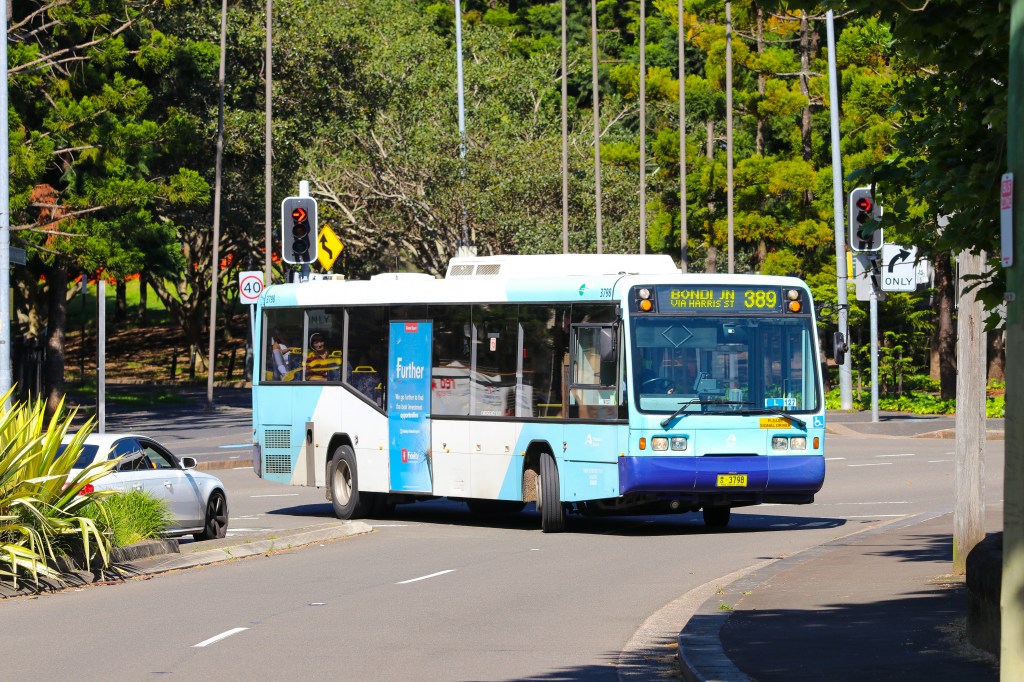
Leichhardt Scania L113CRL Orana 3798 seen on a 389 to Bondi Junction on a diversion in Woolloomooloo – Transport NSW Blog Collection
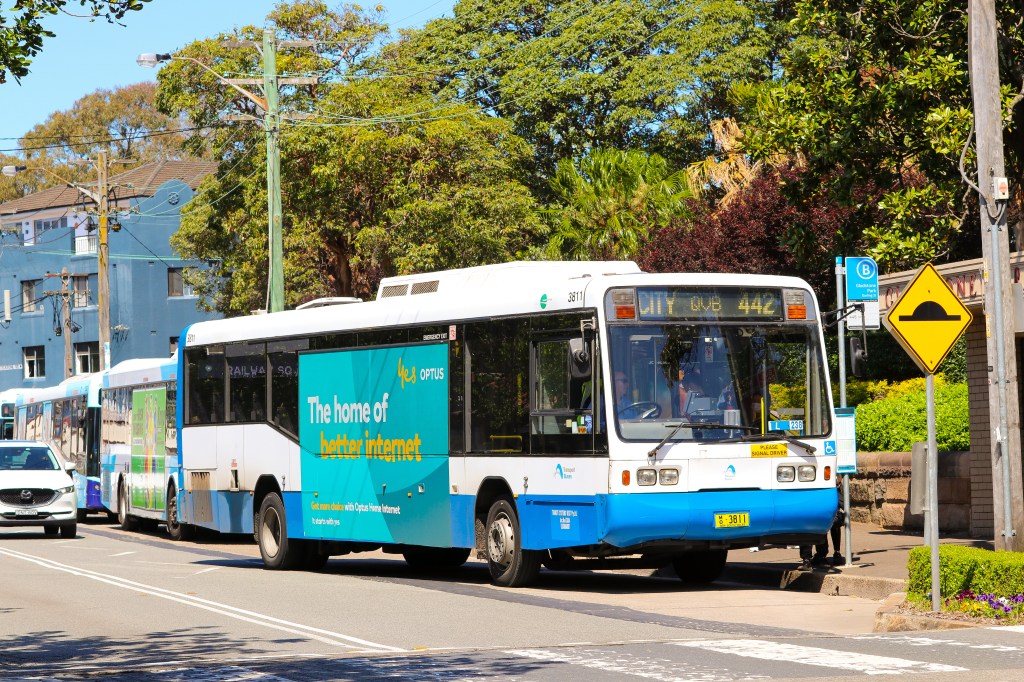
Leichhardt Scania L113CRL Orana 3811 seen on a 442 to the City at Gladstone Park in Balmain – Transport NSW Blog Collection
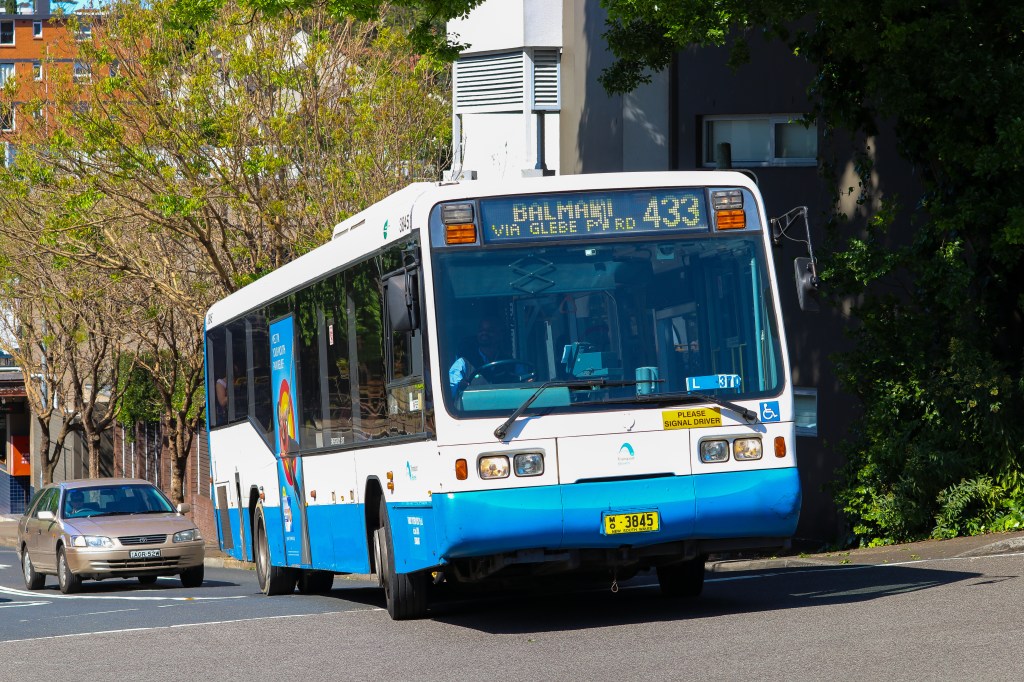
Leichhardt Scania L113CRL Orana 3845 seen on a 433 to Balmain passing through Forest Lodge – Transport NSW Blog Collection
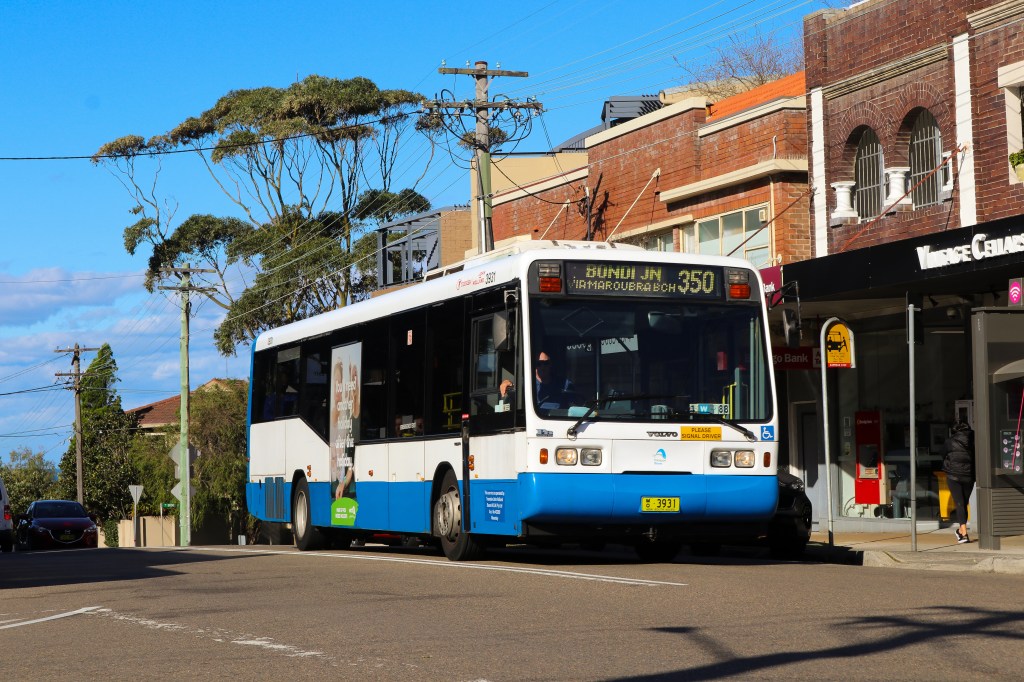
Waverley Volvo B10BLE Orana 3930 seen at Mascot Station on its way to the Domestic Terminals at Sydney Airport as a 350 – Transport NSW Blog Collection
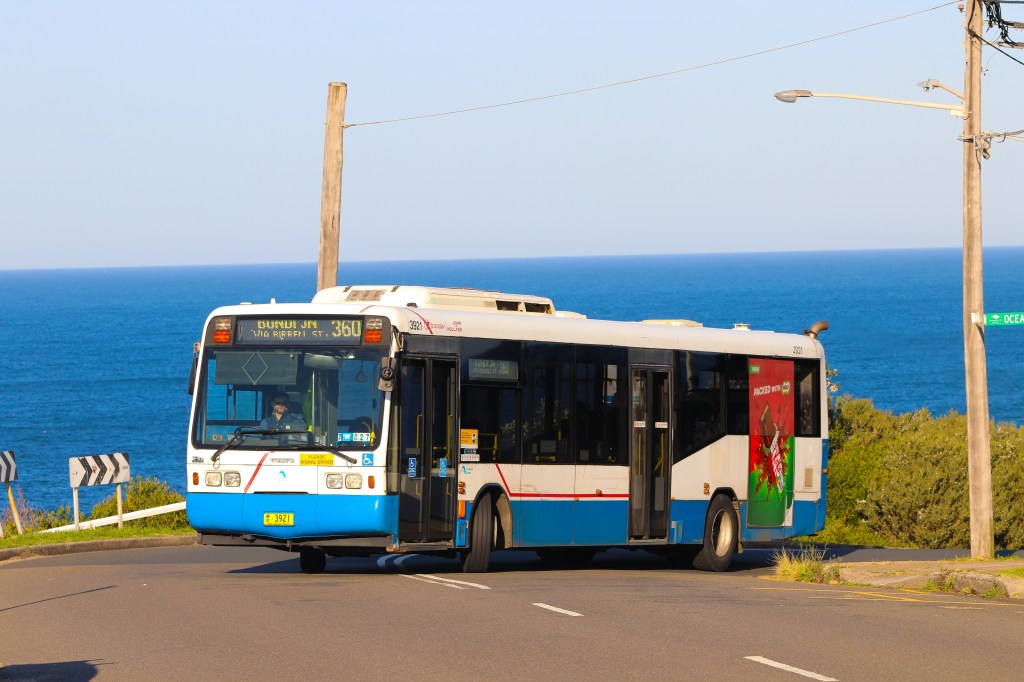
Waverley Volvo B10BLE Orana 3921 seen with an oceanic backdrop as it departs Clovelly for Bondi Junction on a 360 – Transport NSW Blog Collection

Industrial Action to Affect Bus Services Monday 11 April 2022

Industrial Action on Monday 11 April 2022 will impact bus services across NSW. The Transport Workers Union and Rail Bus and Tram Union have advised Transit Systems, CDC NSW and Transdev that their members will be participating in a 24-hour stoppage of work on Monday 11 April from 12.01am.

Industrial Action on Monday 11 April 2022 will impact bus services across NSW – Transport NSW Blog Collection

Services operated by these operators will operate to a severely limited schedule or not at all. Significant disruption to travel patterns is expected and customers are being asked to consider other transport options. Easter show services will still operated through the affected areas, albeit at a reduced frequency.

The areas affected by the Industrial Action include;

  • Liverpool, Fairfield, Parramatta (Transit Systems Region 3)
  • Hills District (CDC Hillsbus Region 4)
  • Inner West, Some Sydney CBD, Olympic Park, Strathfield, Rockdale (Transit Systems Region 6)
  • Cronulla, Engadine, Sutherland, Menai (Transdev Region 10)
  • Hornsby, Gordon, Berowra (Transdev Region 12)
  • Lidcombe, Granville, Bankstown, Liverpool (Transdev 13)
  • Newcastle (CDC Hunter)
  • Hunter Valley (CDC Hunter)
  • Tuggerah and Wyong (Coastal Liner)
  • Blue Mountains (Blue Mountains Transit)

Farewell State Transit – Tour Photos

On Sunday 13 March 2022, the Sydney Bus Museum and the Historical Commercial Vehicle Association held a farewell tour for State Transit. This comes ahead of the handover of the final State Transit contract to Transdev John Holland on 2 April 2022. The 7 buses used on the day toured all over the Eastern Suburbs, home to the final State Transit contract.

The tour utilised 6 current State Transit vehicles; Mercedes Benz O500LE CB60 EvoII 1811 (Port Botany), Volvo B12BLEA Volgren CR228L 2236 (Port Botany), Custom Denning Element 3122 (Waverley) Volvo B10BLE Orana 3921 (Waverley) and Volvo B12BLE CB60 EvoIIs 4833 and 4999 (both Randwick). In addition, Sydney Bus Museum 3383, a Mercedes O405 MkVI (ex Randwick) also joined the service buses.

There were a number of photostops throughout the day. Here are a collection of photos taken on the day.

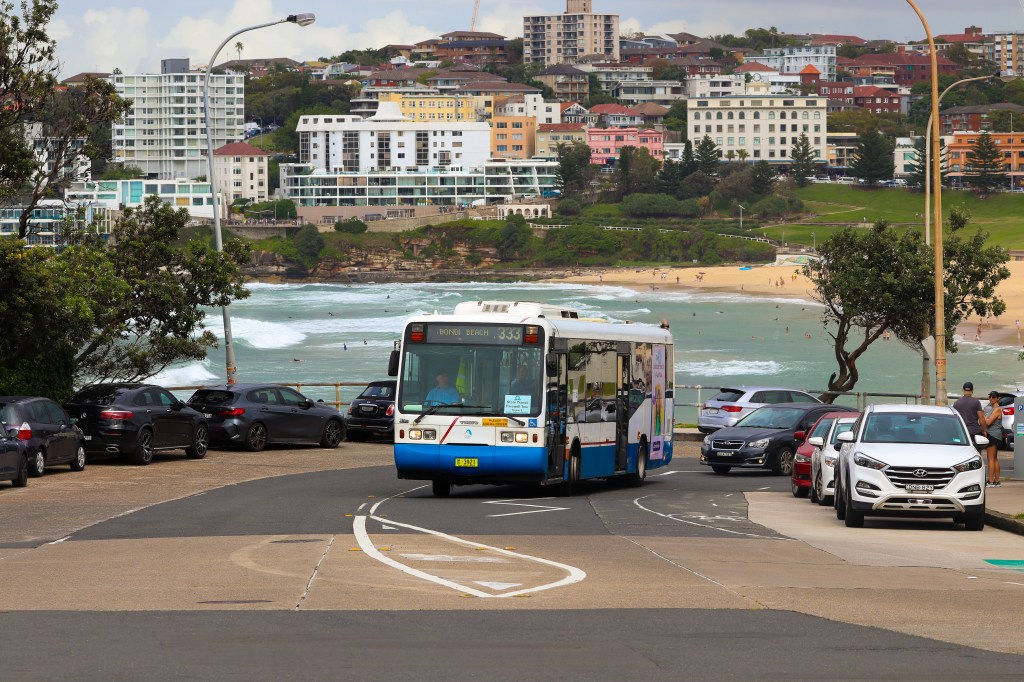
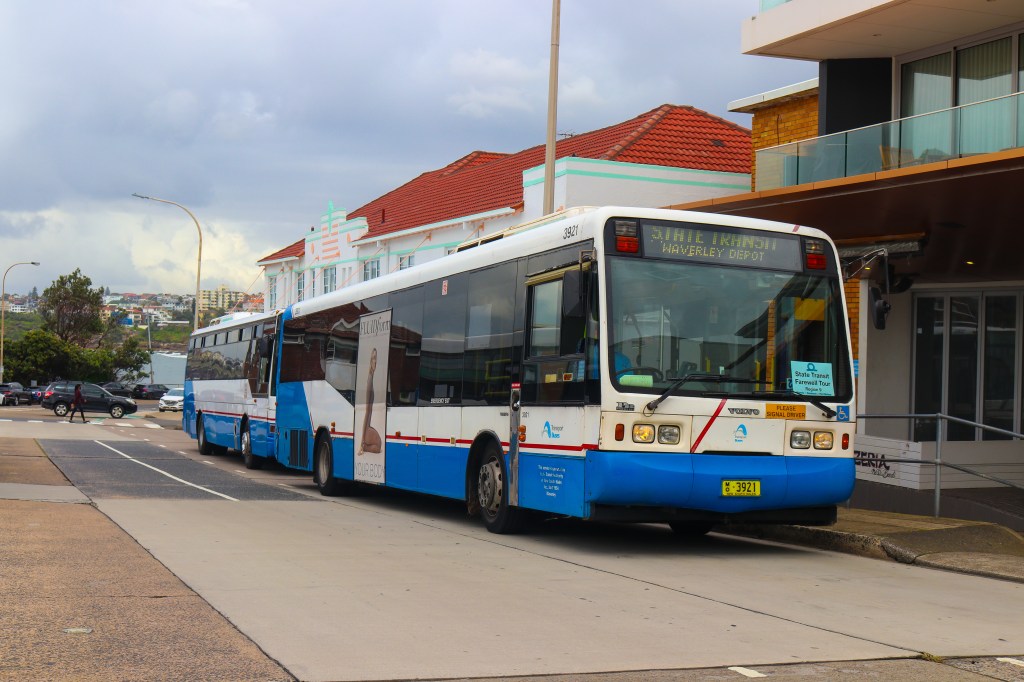
State Transit Volvo B10BLE Orana 3921 seen at North Bondi with Bondi Beach in the backdrop on the State Transit Farewell Tour – Transport NSW Blog Collection
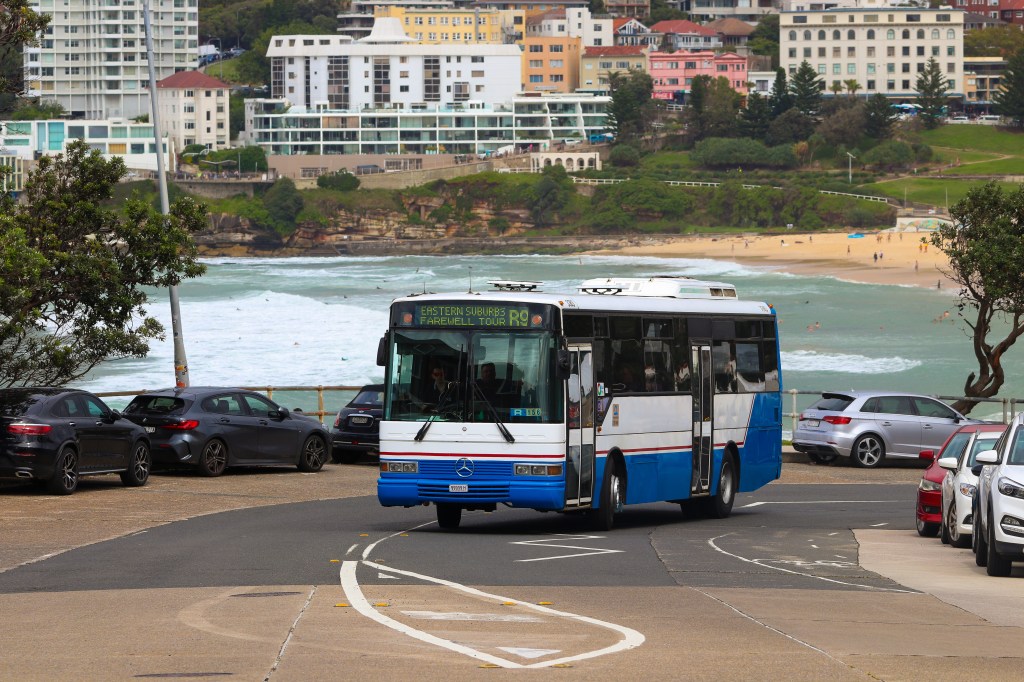
Sydney Bus Museum Mercedes-Benz O405 MkVI 3383 seen at North Bondi with Bondi Beach in the backdrop on the State Transit Farewell Tour – Transport NSW Blog Collection
State Transit Custom Denning Element 3122 seen at North Bondi with Bondi Beach in the backdrop on the State Transit Farewell Tour – Transport NSW Blog Collection
State Transit Volvo B10BLE Orana 3921 and Sydney Bus Museum Mercedes-Benz O405 MkVI 3383 seen in the North Bondi layover on the State Transit Farewell Tour – Transport NSW Blog Collection
State Transit Custom Denning Element 3122 and State Transit Volvo B10BLE Orana 3921 seen climbing Arden Street out of Coogee on the State Transit Farewell Tour – Transport NSW Blog Collection
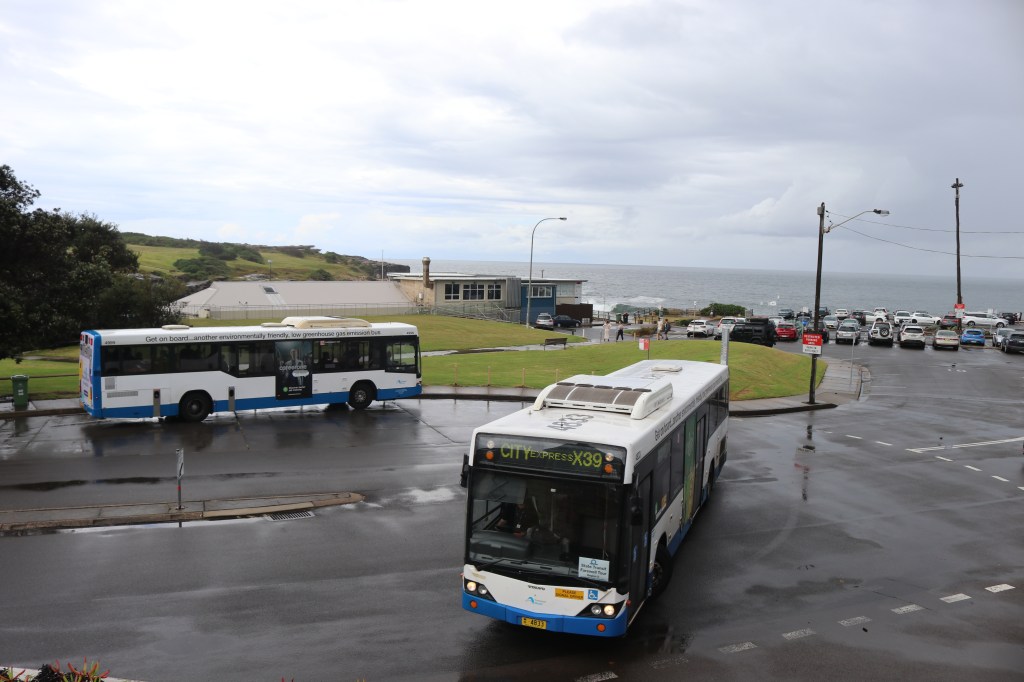
State Transit Volvo B12BLE CB60 EvoIIs 4833 and 4999 seen turning around at Clovelly Beach on the State Transit Farewell Tour – Transport NSW Blog Collection
State Transit Mercedes Benz O500LE CB60 EvoII 1811 seen at Malabar on the State Transit Farewell Tour – Transport NSW Blog Collection
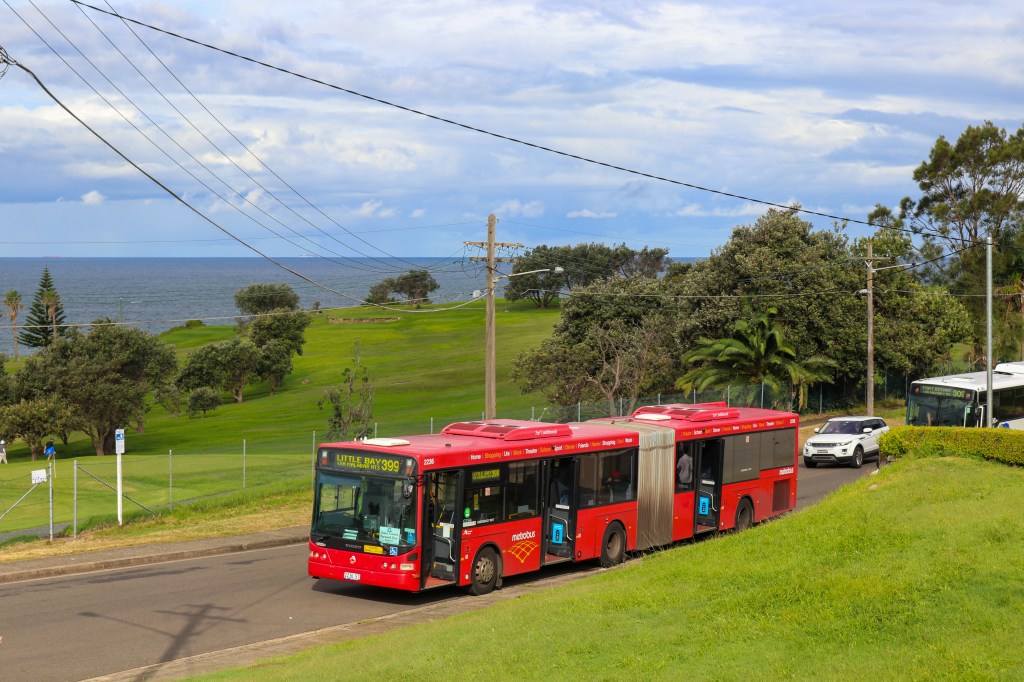
State Transit Volvo B12BLEA Volgren CR228L 2236 at Malabar on the State Transit Farewell Tour – Transport NSW Blog Collection

Rail Services Return to Full Schedule After Going Off The Rails

Rail services across NSW returned to a full schedule today, Monday 28 February. This comes just a week after the NSW Government spectacularly shut down the entire Sydney Trains network last monday, and also after months of COVID related timetable disruptions.

Rail services across NSW returned to a full schedule today, Monday 28 February – Transport NSW Blog Collection

As of today, Sydney Trains will return to a full weekday timetable. This means that weekday Sydney Trains services will run every 3-4 minutes during peak times in the inner suburbs, with service frequencies of around 10 minutes for the rest of the metropolitan area.  NSW TrainLink Intercity services, NSW TrainLink Regional XPT and Xplorer services are planned to run as timetabled. 

Despite the move to increase services, industrial action by the Rail Tram and Bus Union continues this week. This brings to light the absurdity of the worker shutout conducted by the NSW Government last week. The Rail, Tram and Bus Union (RTBU) had notified the government of its plans for industrial action on February 9. It was due to run for two weeks from Monday, February 21.

Come February 21, the decision was made by the NSW Government to shutdown the entire Sydney Trains network due to ‘safety concerns’ relating to the industrial action by the RTBU. Train drivers were shutout from their workplaces and the entire city ground to a halt. Initially, the government attempted to place the blame on drivers for a so called ‘snap strike’. It quickly became clear this characterisation was incorrect and that instead of a strike, it was the Government who had shut down the rail network.

Although the Premier and Transport Minister both maintain they were not aware of the impending collapse of the rail network, it is clear that senior bureaucrats were well aware of the shutdown ahead of time. As early as Wednesday February 16, some five days before the shutdown, bureaucrats across Transport and Treasury were aware of the plans. In fact, it was proposed that the shutdown last for the entire two week period of the RTBU’s actions.

That didn’t happen. Just a week later, instead of the network being closed, it is being ramped up. This raises serious questions as to the legitimacy of the safety concerns that led to the network being shutdown. Similarly, serious questions need to be asked why the Premier and Transport Minister were so unaware of major decisions being made on behalf of their government.

Instead of celebrating the return to a full timetable this week, alongside the return of International Travel last week, the Premier and Transport Minister need to look at where things went off the rails.

Inner West Light Rail Services to Return

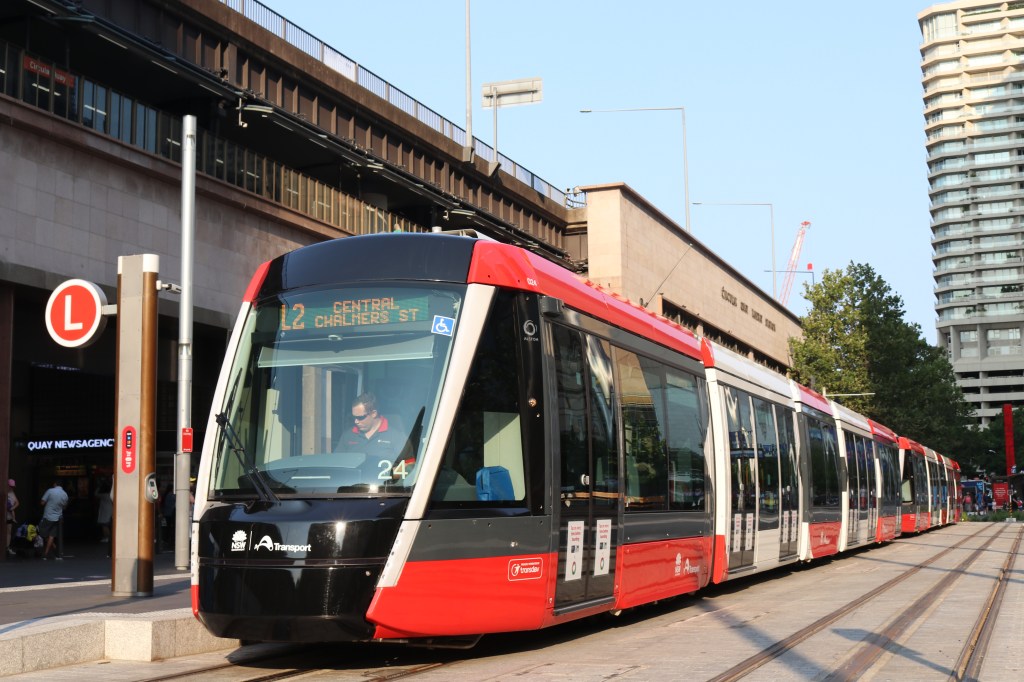
Services on the L1 Dulwich Hill Line of the Sydney Light Rail network will resume this Saturday 12 February 2022. Services will along the full length of the line between Central and Dulwich Hill, with buses continuing to supplement services on both the L1 and L2 lines.

Services on the L1 Dulwich Hill Line will resume this weekend, using rolling stock from the South East system – Transport NSW Blog Collection

L1 Dulwich Hill Lines services will run between Central (Grand Concourse) and Dulwich Hill. These services will operate every 15 minutes between 6am and 11pm. Rolling stock from the South East system will be used, as the withdrawn Inner West rolling stock is still not operable.

This service resumption comes more than 100 days after services on the L1 line were suspended in late October due to cracks found in the Inner West rolling stock. Repairs to these trams are ongoing, with the rolling stock expected to return to service later this year.

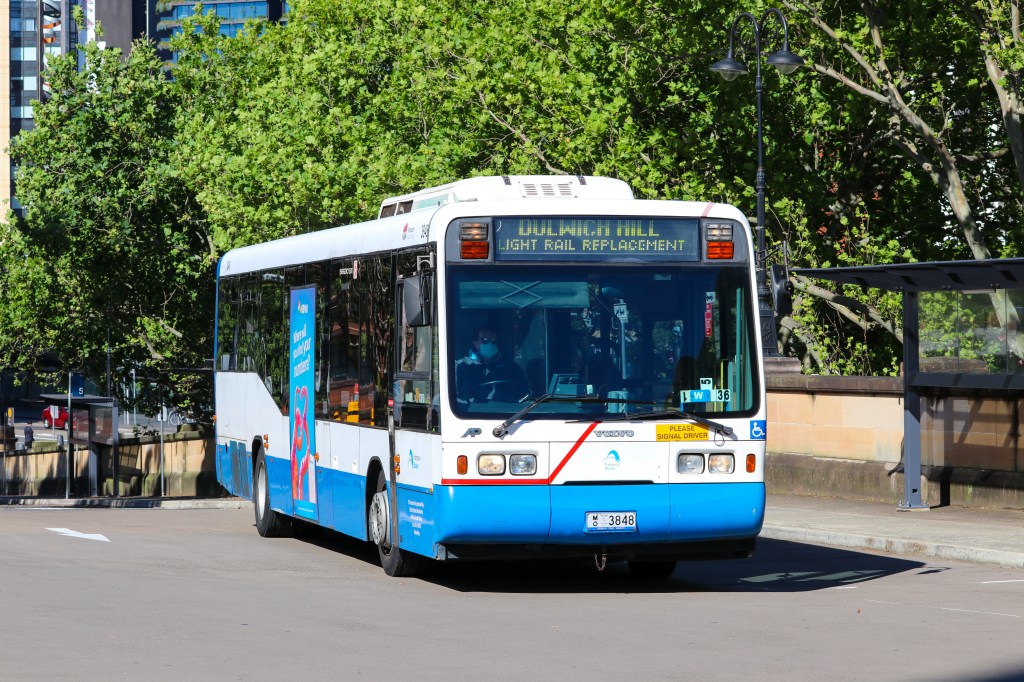
Due to the reduced frequency on all lines due to COVID related frequency reductions and the shortage of rolling stock for the replacement Inner West service, Light Rail replacement buses will continue to operate during peak periods.

Light Rail replacement buses will continue to operate during peak periods – Transport NSW Blog Collection

Two routes will operate to supplement light rail services. Transport for NSW will operate a shuttle between Central and The Star, whilst UNSW will operate a shuttle between Central and UNSW High Street. These services will operate on a continuous loop, with services on weekdays between 7am and 9:30am and 3:30pm and 7pm.